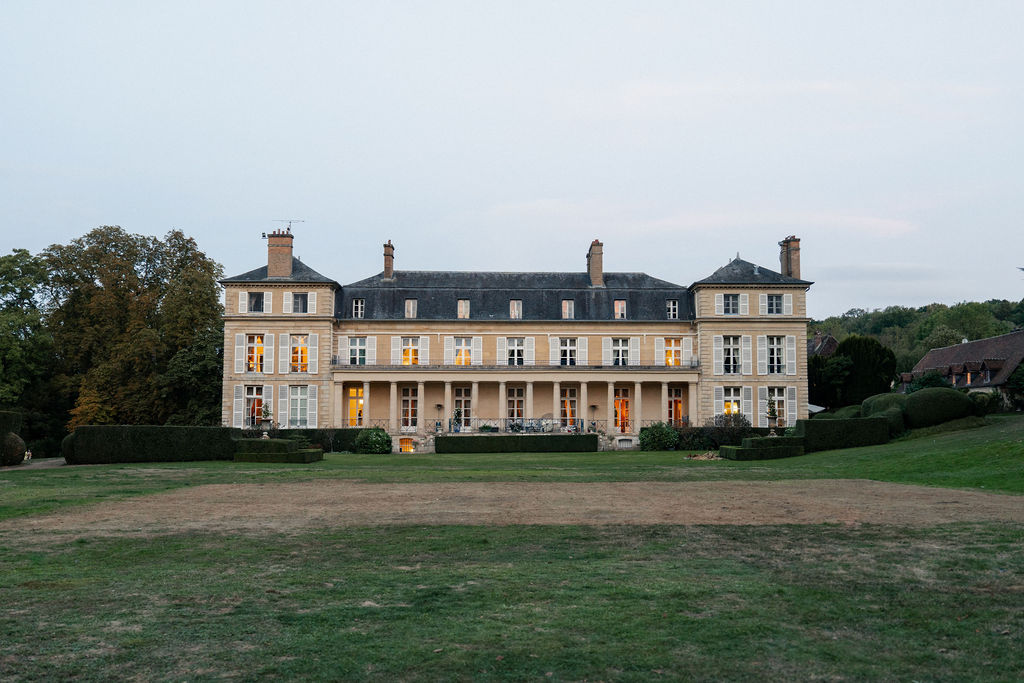
How to Plan a Destination Wedding in France: A Complete Guide
France is one of the world’s most romantic destinations for weddings, offering historic châteaux, elegant Parisian hotels, Mediterranean landscapes and beautiful countryside estates.
But how do you plan a destination wedding in France when you live abroad?
From choosing the right venue and establishing a realistic budget to selecting local suppliers and coordinating your guests, organising a wedding overseas involves a series of important decisions.
This guide explains the key stages of planning a destination wedding in France and how to create a celebration that reflects your personal style, traditions and expectations.
1. Define Your Wedding Vision and Priorities
Before researching wedding venues, begin by discussing the type of celebration you would like to organise.
Some couples dream of an intimate ceremony overlooking Paris, while others imagine a three-day château wedding surrounded by family and friends.
Consider the atmosphere, location and overall experience you would like to create.
Important questions include:
Would you prefer a city wedding or a countryside celebration?
Are you planning an intimate wedding or a large reception?
Would you like a single-day celebration or a wedding weekend?
Do you need accommodation for your guests?
Are you considering a symbolic, religious or legally recognised ceremony?
What are your preferred dates and approximate budget?
These decisions will help determine which venues and services are appropriate for your wedding.
2. Establish a Realistic Destination Wedding Budget
A realistic budget is one of the most important foundations of successful wedding planning.
The cost of a wedding in France depends on the region, venue, guest count, season and level of service.
Typical budget categories include:
Venue hire and accommodation
Catering and beverages
Wedding planning and coordination
Photography and videography
Floral design and decoration
Furniture, lighting and technical equipment
Music and entertainment
Transportation and guest logistics
Wedding stationery and personal details
Contingency expenses
Couples should also clarify whether their budget includes taxes, supplier travel expenses and additional events.
When comparing wedding planning services, it is helpful to understand how different fee structures work.
Read our detailed guide: How Much Does a Wedding Planner Cost in France?.
3. Choose the Right Wedding Destination in France
France offers a remarkable diversity of wedding settings, each with its own atmosphere and logistical considerations.
Paris: Elegant and Romantic City Weddings
Paris is ideal for couples who appreciate architecture, gastronomy, luxury hotels and sophisticated private reception spaces.
Wedding celebrations can take place in historic salons, elegant hotels, private mansions and venues with views of the city’s iconic landmarks.
Paris also offers convenient international travel connections and a wide choice of accommodation.
French Châteaux: History and Romance
A château wedding offers an opportunity to celebrate in a historic estate surrounded by gardens, parkland or countryside landscapes.
Some châteaux provide on-site accommodation, allowing couples to organise a wedding weekend with several events.
Others operate primarily as reception venues and require additional arrangements for guests.
If you are considering a château close to the capital, explore our guide to château wedding venues near Paris.
Provence: Countryside Elegance
Provence is known for its picturesque villages, vineyards, olive groves and warm Mediterranean atmosphere.
It is particularly appealing for couples seeking an outdoor celebration inspired by the French countryside.
French Riviera: Mediterranean Celebrations
The French Riviera offers coastal scenery, prestigious hotels, private villas and elegant destinations along the Mediterranean.
Weather, seasonal demand and local logistics should all be considered when planning a celebration in this region.
Loire Valley: Historic Estates and Château Weddings
The Loire Valley is celebrated for its historic architecture, vineyards and magnificent châteaux.
It offers a romantic setting for couples who wish to combine French heritage with a countryside wedding experience.
4. Understand the Legal Requirements for Getting Married in France
One of the first questions international couples should consider is whether they wish to hold a legally recognised marriage ceremony in France.
In France, a legally valid marriage is celebrated by the civil authorities, generally at the town hall (mairie).
Legal requirements may include residence or domicile conditions, civil-status documents, publication of marriage banns and other administrative formalities.
Foreign couples who do not meet the applicable requirements may choose to complete their legal marriage in their home country and organise a symbolic or religious celebration in France.
A symbolic wedding ceremony can be personalised with vows, readings, music and cultural traditions, but it does not itself create a legal marriage.
Couples should confirm the requirements directly with the relevant French authorities or their consulate before making arrangements.
5. Research and Select Your Wedding Venue
The venue influences nearly every aspect of the wedding, including the budget, guest experience, supplier selection and event schedule.
When comparing venues, consider more than their appearance.
Important questions include:
What is the maximum guest capacity?
Is the venue available for exclusive use?
Are accommodation facilities included?
Are there restrictions on music or event finishing times?
Is an indoor backup space available in case of rain?
Are external caterers and suppliers permitted?
What furniture and equipment are included?
Are there additional setup, cleaning or security fees?
What are the cancellation and postponement conditions?
For destination weddings, accessibility is particularly important.
Consider the distance from international airports, railway stations and nearby accommodation.
A beautiful venue should also be practical for the type of celebration you are planning.
6. Hire a Wedding Planner in France
Working with a local wedding planner can be especially helpful when organising a celebration from another country.
A professional planner may assist with venue research, supplier selection, budget management, design development and logistical coordination.
Local knowledge can also help couples understand the practical differences between French wedding venues, supplier arrangements and event regulations.
For international weddings involving several languages, cultures or traditions, communication and coordination become particularly important.
Our directory features CTH Events Paris, a wedding planner in Paris, founded by Inga Heusele and specialising in destination weddings and private celebrations throughout France.
Couples can also discover the agency’s services and portfolio on the official CTH Events Paris website.
7. Select Your Wedding Suppliers
Once the venue and main planning arrangements are established, the next step is to build the team responsible for your celebration.
Depending on your wedding, this may include a caterer, photographer, videographer, florist, celebrant, musicians, hair and makeup artists, rental companies and transportation providers.
When choosing suppliers, review their previous work, professional experience, service descriptions and contractual conditions.
For photography and videography, artistic style is particularly important.
A wedding film should reflect the atmosphere and emotions you wish to remember.
Discover our featured wedding videographer in France, Tuan of Ping Pang Films.
Couples planning a personalised symbolic ceremony can also explore our featured Parisian wedding celebrant.
8. Plan the Guest Experience
A destination wedding is not only about the ceremony and reception. It is also an opportunity for family and friends to discover a new destination together.
Guest logistics deserve careful attention, especially when attendees are travelling internationally.
Consider accommodation options, airport transfers, local transportation and clear communication about the wedding schedule.
If your celebration takes place over several days, you may wish to organise a welcome dinner or farewell brunch.
However, additional events should be planned within the overall budget and venue arrangements.
A wedding website or guest information document can help communicate practical details, including transport, dress code, accommodation and local recommendations.
9. Create a Realistic Wedding Planning Timeline
Destination weddings often require advance preparation, particularly when couples wish to book popular venues or suppliers.
A suggested planning timeline might look like this:
12–18 Months Before the Wedding
Define your wedding vision and approximate budget.
Establish your preferred guest count.
Research destinations and venues.
Consider hiring a wedding planner.
Confirm your venue and wedding date.
9–12 Months Before the Wedding
Select key wedding suppliers.
Develop the creative direction.
Begin accommodation and transportation planning.
Communicate the date to guests.
6–9 Months Before the Wedding
Refine the design and event logistics.
Discuss menu options and catering arrangements.
Review ceremony details.
Continue guest travel coordination.
3–6 Months Before the Wedding
Confirm major supplier arrangements.
Prepare a detailed event schedule.
Review transportation and accommodation requirements.
Finalise important design decisions.
Final Weeks
Confirm supplier schedules and responsibilities.
Review the wedding-day timeline.
Check final guest numbers and practical arrangements.
Prepare contingency plans.
Coordinate final instructions with the venue and suppliers.
These timeframes are indicative. Large, complex or multi-day celebrations may require additional preparation.
10. Prepare Your Wedding-Day Coordination
Even when a wedding has been carefully planned, the event itself requires professional coordination.
Suppliers need clear instructions, setup schedules must be respected and the different stages of the celebration must run smoothly.
Wedding-day coordination may include supervising deliveries, managing the ceremony timeline, coordinating guest movements and overseeing the transition from cocktail hour to dinner and entertainment.
For couples who have organised their own wedding, hiring a coordinator can provide valuable support during the final preparations and on the wedding day.
Discover our guide to wedding-day coordination in Paris.
Frequently Asked Questions About Destination Weddings in France
Can foreigners get legally married in France?
Foreign nationals may be able to marry legally in France if they meet the applicable legal requirements, including the relevant domicile or residence conditions. Couples should verify their individual circumstances with the appropriate French town hall or consular authorities.
How far in advance should we plan a wedding in France?
Many couples begin planning 12 to 18 months in advance, particularly when they have a specific venue or date in mind. More complex celebrations may require additional time.
Is it necessary to hire a wedding planner in France?
Hiring a wedding planner is not generally a legal requirement. However, professional assistance can be valuable for international couples managing suppliers, logistics and communication from abroad.
What is the best region for a destination wedding in France?
The ideal region depends on the couple’s preferences. Paris offers city elegance, Provence provides countryside charm, the French Riviera offers Mediterranean scenery and the Loire Valley is known for historic château settings.
Can we organise a wedding weekend in a French château?
Yes, some châteaux accommodate multi-day celebrations, subject to their facilities, availability and contractual conditions. Couples should confirm accommodation capacity, event restrictions and the services included.
Do we need a wedding-day coordinator if we already have a planner?
Full-service planning often includes wedding-day coordination, but the exact scope should be confirmed in the agreement. Couples who organise their wedding independently may choose to hire a coordinator separately.
Final Thoughts: Planning Your Wedding in France
A destination wedding in France can be an unforgettable experience, combining beautiful settings, personal traditions and meaningful moments shared with family and friends.
Successful planning begins with a realistic budget, thoughtful venue selection and a clear understanding of the practical requirements.
By working with experienced professionals and allowing sufficient time for preparation, couples can create a celebration that reflects their vision while making the most of everything France has to offer.
Explore more advice and featured professionals through our Wedding Vendors in France directory.